
FAQs
Can Wallpaper Be Used in a Bathroom?
Yes, wallpaper can be used in a bathroom, provided it is installed in the correct location and the room has adequate ventilation.
Vinyl/ Fabri wall wallpaper is particularly well suited to bathroom walls because it is durable and easy to clean. Many homeowners use wallpaper behind vanities, on feature walls, and in guest bathrooms to create a high-end look without the cost of traditional tiles.
For areas exposed to direct water, such as inside showers, we do not recommend wallpaper, its not the the water is the problem for the wallpaper, its the soap splashes from body wash and shampoos that eventually wear the print away
Tile Wallpaper vs Real Tiles: Which Is Right for You?
Tile-look wallpaper and real tiles each have their advantages.
Real tiles are highly durable and suitable for wet areas, but installation can be costly and time-consuming.
Tile-look wallpaper offers a similar visual effect at a fraction of the cost and can often be installed in a single day. It is ideal for feature walls, splashback areas, rental properties, and renovation projects where homeowners want to update a space without major construction work.
Tile Wallpaper Benefits
- More affordable
- Faster installation
- No grout lines to clean
- Easy to update in future
- Hundreds of design options
Real Tile Benefits
- Suitable for wet areas
- Extremely durable
- Long-term permanent solution
For many homeowners, tile-look wallpaper provides the perfect balance between style, cost, and convenience.
How to Install Vinyl Wallpaper
Installing vinyl wallpaper is a straightforward process when the wall surface is clean, smooth, and dry.
Before You Begin
- Remove dust and dirt
- Fill holes and cracks
- Ensure the wall is completely dry
- Measure carefully
Installation Steps
- Prepare the wall surface.
- Measure and mark your starting point.
- Apply adhesive according to the product instructions.
- Position the first panel carefully.
- Smooth out air bubbles using a wallpaper smoother.
- Align subsequent panels accurately.
- Trim excess material around edges and fittings.
For best results, we recommend professional installation for large feature walls and custom murals.
Is Wallpaper a Good Option for Rental Properties?
Wallpaper can be an excellent choice for rental properties because it allows landlords and tenants to transform a space quickly and affordably.
Modern wallpaper designs can create the appearance of brick, stone, timber, concrete, or decorative tiles without expensive renovations.
Benefits include:
- Cost-effective updates
- Minimal disruption
- Fast installation
- Wide range of styles
- Easy visual transformation
Many landlords use wallpaper to refresh kitchens, bathrooms, hallways, and feature walls between tenants.
How Do You Remove Wallpaper?
Removing wallpaper is usually a simple process when the correct method is used.
Step 1
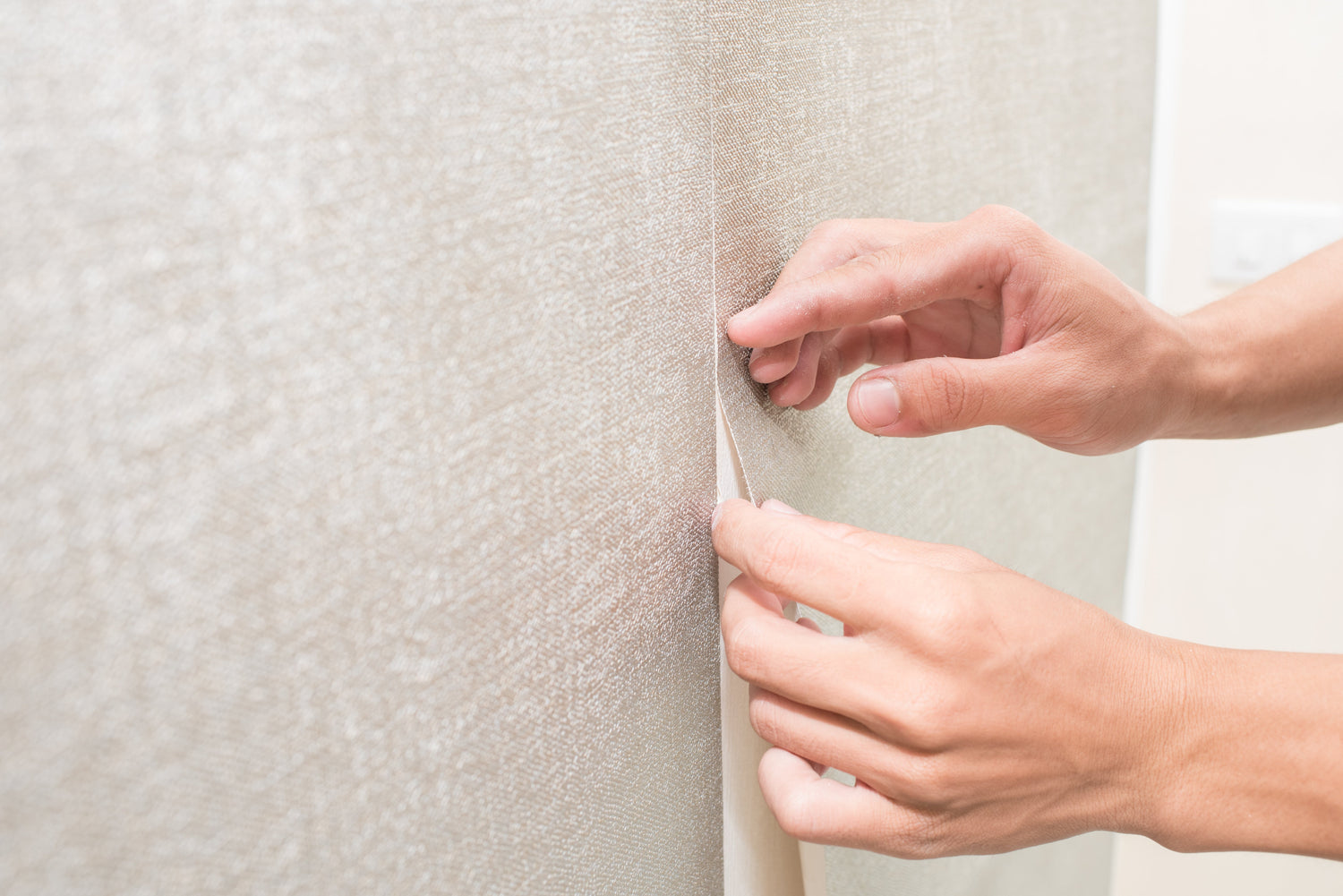
Peel away any loose sections by hand.
Step 2
Use warm water or a wallpaper removal solution to soften the adhesive.
Step 3
Allow the solution to soak into the wallpaper.
Step 4
Carefully remove the wallpaper using a scraper.
Step 5
Clean any remaining adhesive from the wall.
The exact removal process may vary depending on the wallpaper type, wall surface, and adhesive used.
Many modern wallpapers are designed to be removed more easily than older traditional wall coverings.
Can Wallpaper Be Installed Over Tiles?
Yes, Peel and stick wallpaper can often be installed over tiles, provided the surface is properly prepared first.
The key is creating a smooth surface. Deep grout lines, uneven tiles, and damaged areas should be filled and sanded before installation. Once the wall is clean, dry, and smooth, wallpaper can be applied successfully.
Many homeowners choose this option when renovating kitchens, bathrooms, and splashbacks because it avoids the cost, mess, and time involved in removing existing tiles.
Tip: Tile-look wallpaper can provide a fresh new look without demolition.
Is Wallpaper Cheaper Than Tiling?
In most cases, yes.
Wallpaper is generally much more affordable than traditional tiling when you consider material costs, adhesives, grout, labour, and installation time.
Wallpaper can often be installed in a single day, while tiling may require multiple days of work and specialist trades.
Benefits of wallpaper include:
- Lower installation costs
- Faster room transformations
- Less disruption
- No grout maintenance
- Easy design updates in future
For feature walls and decorative surfaces, wallpaper is often the most cost-effective option.
Can Wallpaper Be Cleaned?
Yes. Most modern vinyl wallpapers can be cleaned using a soft damp cloth and mild soapy water.
This makes vinyl wallpaper ideal for:
- Kitchens
- Bathrooms
- Hallways
- Children's rooms
- Dining areas
Avoid abrasive cleaners, harsh chemicals, and excessive scrubbing, as these may damage the surface.
For best results, wipe spills and marks as soon as they occur.
What Is Vinyl Wallpaper?
Vinyl wallpaper is a durable wall covering made essentially from PVC
It is one of the most popular wallpaper types because it is:
- Durable
- Easy to clean
- Moisture resistant
- Long-lasting
- Suitable for high-traffic areas
Vinyl wallpaper is commonly used in kids bedrooms, kitchens, Laundries, offices, and bathrooms.
It is available in thousands of colours, patterns, textures, and tile-look designs.
How Long Does Wallpaper Last?
High-quality wallpaper can last 10 to 15 years or longer when properly installed and maintained.
Factors that affect lifespan include:
- Wall preparation
- Installation quality
- Room conditions
- Sunlight exposure
- General wear and tear
Premium vinyl wallpaper is designed to withstand daily use and maintain its appearance for many years.
Many homeowners replace wallpaper due to changing décor preferences rather than product failure.
Can Wallpaper Be Used in Kitchens?
Yes.
Vinyl wallpaper is an excellent choice for kitchen walls and dining areas because it is durable and easy to clean.
Popular kitchen applications include:
- Feature walls
- Breakfast nooks
- Dining areas
- Coffee stations
- Splashback feature zones
Wallpaper should not be installed in areas exposed to direct heat, open flames, or continuous water contact.
How Much Wallpaper Do I Need?
To calculate how much wallpaper you need, measure the width and height of each wall you plan to cover.
Then:
- Calculate the total wall area.
- Subtract large windows and doors if desired.
- Add 10–15% extra for trimming and pattern matching.
If you're unsure, simply provide your wall measurements and we can help calculate the exact quantity required.
Helpful measurements to have ready:
- Wall width
- Wall height
- Number of walls
- Door and window sizes
Does Wallpaper Damage Walls?
When installed and removed correctly, wallpaper should not damage properly prepared walls.
The condition of the wall before installation often has a greater impact than the wallpaper itself.
Wallpaper performs best on:
- Painted walls
- Primed surfaces
- Smooth plastered walls
- Properly prepared drywall
Problems are most likely to occur when wallpaper is applied to damaged, poorly painted, or unprepared surfaces.
Following the manufacturer's installation and removal instructions helps ensure the best results.
Can I Install Wallpaper Myself?
Yes.
Many homeowners successfully install wallpaper themselves using basic tools and careful preparation.
For DIY installation, you will typically need:
- Tape measure
- Spirit level
- Utility knife
- Wallpaper smoother
- Adhesive (if required)
The most important step is ensuring the wall is clean, smooth, and properly prepared before installation.
For large murals, complex patterns, staircases, or commercial projects, professional installation may be preferred.
With patience and careful planning, most standard wallpaper installations can be completed by confident DIY enthusiasts.